Runic Hieroglyphics. Ancient Nordic Review
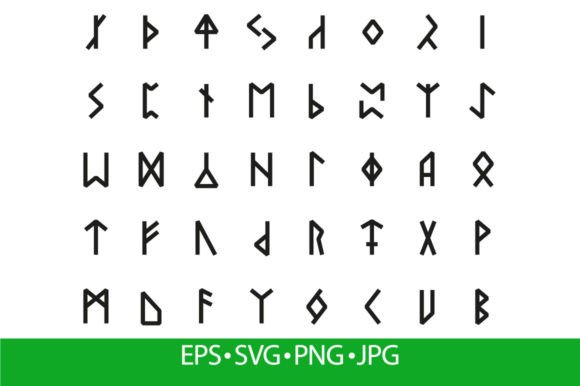
When I pull a new vector asset into my design workflow, I am rarely thinking about how it looks on a screen. My mind immediately jumps to the needle, the thread tension, and the final texture of the fabric. As an embroidery designer who frequently bridges the gap between digital graphics and physical handmade products, I approach Runic Hieroglyphics. Ancient Nordic with a critical eye. This is not just a pretty picture; it is a potential commercial product waiting to be realized. The description promises carved runes, old Scandinavian sacred script, and Germanic Futhark culture signs in an EPS and SVG vector collection. But does it translate well from a flat illustration to a textured machine embroidery design? Let us look at this through the lens of real-world application.
First Impressions: Mood and Visual Personality
The moment you open the file, the aesthetic is unmistakable. We are dealing with a heavy, historical vibe. The "carved" aspect mentioned in the description suggests depth, which is excellent for embroidery because it implies strong outlines rather than delicate, airy lines. In the world of embroidery project planning, clarity is king. If a design relies on subtle gradients or hairline details that disappear after three passes of stitching, it is a failure. Runic Hieroglyphics. Ancient Nordic feels grounded. It has a rugged, ancient personality that screams authenticity. It does not feel like a generic clip-art font; it feels like a cultural artifact.
This visual weight makes it naturally suited for specific niches. It fits perfectly into the craft business landscape where customers seek meaningful, personalized items. Whether you are targeting fans of Viking history, modern pagan aesthetics, or simply appreciate bold, geometric typography, this design hits the right emotional notes. It creates a sense of heritage and strength, which can significantly boost the perceived value of a handmade product.
Real-World Application: From Screen to Stitch
Let us imagine a concrete scenario. You are preparing a batch of custom embroidered tote bags for an upcoming holiday market. You want something that stands out against the usual floral patterns or motivational quotes. You decide to use Runic Hieroglyphics. Ancient Nordic as the central graphic element. Because the source is a high-quality vector collection, you have the flexibility to scale it up large enough to dominate the canvas of a canvas tote bag without losing integrity.
In this context, the design performs beautifully. The thick, rune-like shapes allow for robust fill stitch techniques or bold satin stitch borders. When stitched onto a sturdy cotton or denim tote, the texture of the thread complements the "carved" look of the original illustration. The customer receives a bag that feels substantial and well-made. The contrast between the smooth fabric and the raised embroidery enhances the visibility of the runes, making the finished product look professional and expensive.
This same logic applies to sweatshirt embroidery. A hoodie in charcoal grey or black, featuring these runes in white or gold thread, creates a striking streetwear aesthetic. The design’s geometric nature ensures that even if the stitch density varies slightly due to fabric stretch, the overall shape remains legible. For Etsy sellers looking to create unique personalized gifts, this design offers a versatile base. You can integrate it into baby onesies (perhaps as a small chest detail), aprons for the home cook, or decorative pillow covers for a rustic-themed nursery.
Where Caution Is Required
No design is perfect for every surface, and Runic Hieroglyphics. Ancient Nordic is no exception. There are specific situations where this graphic might struggle if not handled with care. First, consider the hoop size. If you attempt to digitize this for a very small hoop—say, under 4x4 inches—the individual runes may become too cramped. The intricate details that give the design its character could merge into a blurry blob during the stitching process. Always test the design in your intended hoop size before committing to production.
Fabric choice is equally critical. While this design works well on stable fabrics like canvas, denim, and felt, it is risky on thin, stretchy materials like jersey knits or sheer silks. Without proper stabilization, the tension required to stitch these bold shapes could pucker the fabric, ruining the clean lines of the runes. Additionally, if you are working with dark fabric, ensure you have selected high-contrast thread colors. The "ancient" theme often pairs well with earth tones, but on a black background, you might need metallic or bright white threads to make the design pop.
Another area to watch is curved surfaces like caps or hats. The runes have a distinct verticality and structure that might distort when pulled around the curve of a baseball cap brim or crown. You may need to adjust the placement or angle of the design to maintain its integrity. Finally, avoid using this design for tiny lettering accents. The complexity of the Futhark symbols requires space to breathe. If you try to squeeze them into a corner of a garment, they will lose their impact and potentially cause stitching errors.
Practical Designer Notes for Success
Before you start selling commercial embroidery items or listing them on your shop, there are several technical steps you must take. First, always test the design on scrap fabric that matches the final product in weight and texture. This allows you to see how the stitch density interacts with the material. Check for any gaps in the fill stitch areas or broken lines in the satin stitch outlines.
Review the design in black and white mockups as well. Sometimes color distracts from structural issues. If the shapes read clearly in grayscale, they will likely stitch well. Inspect the small details closely—are the inner cutouts of the runes clean? Do they require excessive trimming? Trimming can add time and cost to your production process, so minimizing unnecessary trim jumps is a smart move for efficiency.
Consider the stabilizer carefully. For a design with such bold presence, a tear-away or cut-away stabilizer might be necessary depending on the fabric. Using the wrong stabilizer can lead to puckering or poor registration. Also, think about the end user. If this is a holiday gift or a wedding gift, the presentation matters. Ensure the back of the embroidery is neat and free of loose threads, as this reflects on your brand consistency and professionalism.
Final Verdict on Value and Engagement
Ultimately, Runic Hieroglyphics. Ancient Nordic is a strong asset for any designer looking to tap into the niche of historical or mystical aesthetics. It elevates simple garments into statement pieces. For digital product sellers, offering this as part of a larger set of design assets can attract buyers who appreciate cohesive themes. For the small shop owner, it provides a unique selling proposition that differentiates your inventory from mass-produced goods.
The key to success lies in respecting the design’s limitations while maximizing its strengths. By testing thoroughly, choosing appropriate fabrics, and maintaining high standards in finishing, you can turn this vector illustration into a highly sought-after embroidered patch, tote bag design, or apparel feature. It is a design that commands attention and respects tradition, making it a worthy addition to your creative toolkit. Just remember to verify all technical specifications and licensing terms before integrating it into your commercial workflow.